
Can Good for Nothing help solve the 80/20 split?
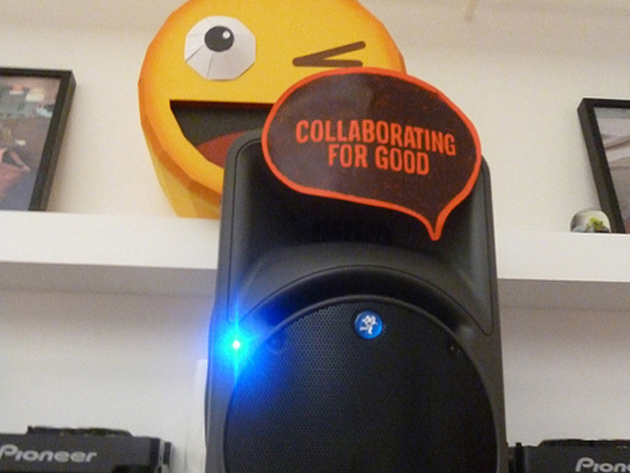
Two weekends ago, Andrew and I went along to the third Good for Nothing hack weekend, appropriately titled Occupy Blue Monday. It was as inspirational and invigorating as ever. I've written before about what it's like to do a Good for Nothing. I love the way they take new, collaborative ways of working and hack culture to support the true innovators in social enterprise. As a participant, it's amazing to be able to use your skills to provide real value - a new kind of volunteering with tangible results.
Really, if you're thinking of going, the weekend is best summed up as there are no clients, no creative constraints and no time for bullshit. What's not to love?Everyone I know who has done a GFN weekend comes away saying "that was amazing, I wish I could work like that all the time". Ok, so there are some obvious reasons why typical working life isn't going to be like doing good for nothing every day. It's a pretty special environment working with a bunch of strangers on an adrenaline-fueled, time-boxed project - most memorably described as 'creative collaboration meets rave'. You can't sustain that kind of feeling on a daily basis.
It might not be a full on rave up all the time, but I know the GFN crew have been thinking about how to extend what happens over the weekend into more structured support after the event. Inevitably, because of the time constraints, a number of things get started but not ended. It's also not quite the same as a participant to polish up some copy or finish testing code when you're trying to fit it in on your own at home after work's over.
There have to be ways to take the kind of energy and passion that people put into Good for Nothing and invest it in your day to day. This got me thinking about Google's famous 80/20 rule where employees are invited to spend 20% of their time on personal projects. It can help spark new innovation but it's also good for keeping people thinking creatively and challenged by what they do.
Now, this has been much talked about and a lot of companies say they'd like to work like this. But it's hard to protect the 20%, especially when you're small. Why is that? Aside from the fact that projects that are bringing in money have a way of muscling out other work, it's also more difficult to maintain momentum when you're working for yourself and snatching time here and there (yes, clients do have some uses besides paying the bills). And sometimes it's just because you don't have an idea you're passionate about or the right skills to fully realise what you want to do.
So, here's a proposal. What if you could give your 20% to Good for Nothing? They know how to find the organisations and people who need support, and can help them clearly express what it is they need. They've got a proven track record in bringing skilled, enthusiastic people together for a weekend to give their time for free to help meet those needs. This could develop into a more long-term support network if there was a platform where the social enterprises could advertise their requests for help and individuals or whole companies could claim the ones they want work on.
Think of it like volunteering smashed together with Kickstarter and topped up with skill sharing. It could be you donate a few hours of your time helping finesse a design or you might get involved in a bigger, more creatively expansive project like building an app.
I know there are some websites out there trialing similiar things, but what feels special about Good for Nothing is the personal element - it's not just about what you can do but about where you are. An initiative like this would work best if the online side ran alongside, and complemented, the offline events. You actually meet the people and organisations you want to help and you choose to work together because of personalities and interests as well as skills.
Without intending to, I think we've prototyped a platform that behaves a bit like this with 50/50 which we set up with Good for Nothing. Lately, we've been talking about what to do with it next and how to build on what we've learnt. This feels like an interesting direction.
So - what do you think? Would you find the time to take part outside a hack weekend? And do you think your company would support it?